Keep Your Pet Safe with Routine Pet Vaccinations from a Relied On Veterinarian
Inoculation Standards From Your Trusted Veterinarian
Inoculation standards offered by your trusted vet play a crucial duty in guarding your family pet's health and wellness and well-being. Core vaccinations are essential for all pets, while non-core injections can be tailored to specific way of livings and ecological exposures. Comprehending the subtleties of inoculation schedules, which start as early as 6 to 8 weeks, is necessary for ideal protection. In addition, attending to common mistaken beliefs surrounding vaccinations can even more boost family pet owners' self-confidence in these preventive actions. As we explore these critical elements, it becomes significantly clear why regular examinations with your veterinarian are vital for informed decision-making.

Significance of Vaccinations
Vaccinations play a crucial role in safeguarding pet dogs versus a variety of preventable diseases. By boosting the body immune system to acknowledge and fight specific virus, vaccinations substantially decrease the incidence of transmittable illness that can impact a pet dog's wellness and longevity. Not just do vaccinations protect specific animals, yet they likewise contribute to herd resistance, thus reducing the general prevalence of conditions in the animal populace.
Timely inoculations assist to mitigate the spread of conditions such as rabies, parvovirus, and distemper, which can have severe effects for both animals and human beings. Vaccinations are commonly a requirement for boarding centers, brushing services, and pet dog parks, making them essential for those who want to mingle their animals.

Core Injections for Animals
While the particular inoculation requirements of pets can differ based upon private factors, core injections are widely suggested to protect versus the most significant and typical diseases (Vet Enterprise). Core vaccines are those regarded vital for all pets, despite their lifestyle or geographical place, as they guard against extremely infectious and possibly fatal illnesses
For pet dogs, the core vaccines include those for canine distemper, parvovirus, adenovirus (hepatitis), and rabies. Canine distemper is a viral condition that affects the breathing, stomach, and anxious systems. Parvovirus is recognized for causing serious stomach disease, particularly in young puppies. Adenovirus can lead to liver condition, while rabies is a zoonotic disease that presents a risk to both human beings and pets.
In felines, core injections incorporate feline panleukopenia, feline calicivirus, feline herpesvirus (rhinotracheitis), and rabies. Feline panleukopenia is a very contagious viral illness that impacts the body immune system and intestines. Calicivirus and herpesvirus are major factors to upper breathing infections in felines, while rabies continues to be an important worry for public wellness.
Speak with your vet to ensure your pets receive their core inoculations on timetable.
Non-Core Vaccines Explained
Non-core injections are customized to deal with particular risks related to a family pet's environment, way of living, and direct exposure to specific diseases. Unlike core vaccinations, which are generally suggested for all pets, non-core vaccinations are thought about based on specific scenarios. These vaccines are specifically crucial for animals that might come across distinct virus because of their geographical location, travel habits, or tasks.
Examples of non-core injections include those for Bordetella bronchiseptica, which is connected to kennel cough, and Lyme illness, caused by ticks. Family pets that frequently engage with other pets, such as those in boarding centers, pet dog parks, or brushing atmospheres, might gain from Bordetella vaccination. In a similar way, if you reside in a location where Lyme disease prevails, vaccinating versus this condition can be a prudent selection for outdoor-loving dogs.
Various other non-core vaccinations may include those for leptospirosis, canine flu, and feline leukemia, depending on the particular risk aspects present. It is necessary to have a detailed discussion with your veterinarian concerning your pet's lifestyle and the prospective demand for these vaccinations, guaranteeing a tailored inoculation technique that ideal protects your furry pal.
Inoculation Set Up Overview
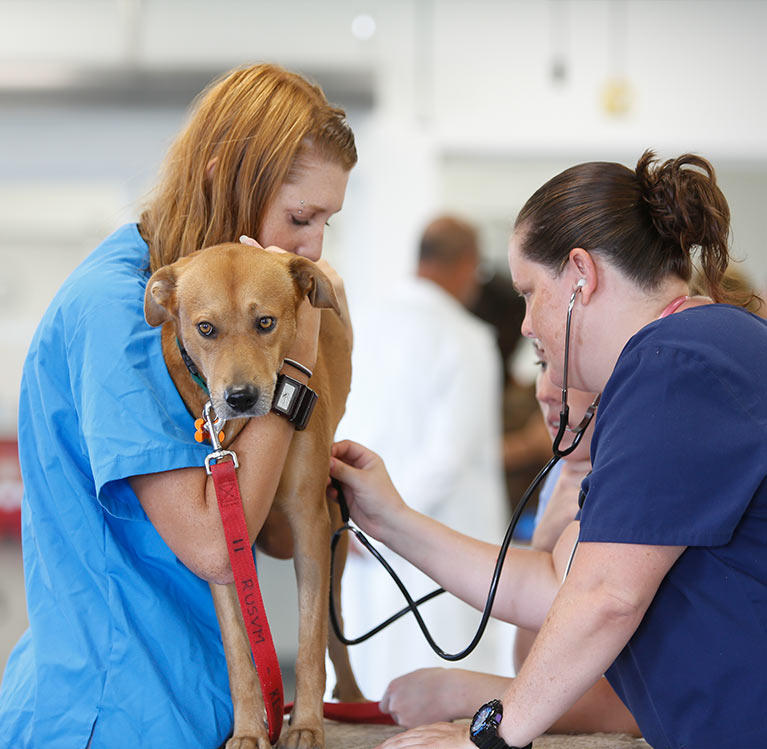
As family pets grow, it is essential to abide by the advised booster vaccinations. Veterinarian Enterprise. visit homepage For adult pets, core injections are normally offered every one to three years, depending upon the certain vaccination and local policies. Non-core injections might be encouraged based upon way of living factors and regional disease prevalence, requiring a tailored technique
Routine vet examinations are vital for upgrading inoculation timetables. Your vet can supply advice on one of the most ideal booster shots for your pet dog, considering age, wellness standing, and ecological dangers. By staying proactive and informed, pet owners can ensure their hairy friends get prompt and efficient inoculations, thereby guarding their wellness and health throughout their lives.
Typical Myths About Vaccines
Misunderstandings about pet dog inoculations can cause confusion and reluctance amongst family pet owners regarding the booster shot process. One prevalent misconception is that injections are unnecessary for interior family pets. While it's true that indoor pet dogs deal with lower threats, they are not entirely immune to conditions, as microorganisms can be introduced via different means, including human apparel and other pets.
An additional mistaken belief is that vaccines can create the diseases they intend to avoid. In truth, the majority of injections have inactivated or undermined microorganisms, which can not cause illness in healthy animals. Some description pet owners additionally believe that their pet dogs ought to not be immunized if they are already healthy and balanced; however, vaccinations are an aggressive step that aids prevent the beginning of illness.
Furthermore, numerous animal owners fear that injections will lead to long-term health problems. The benefits of vaccination-- protecting pets from potentially deadly diseases-- far outweigh the threats.
Verdict
In recap, adherence to vaccination standards is important for guaranteeing the wellness and durability of pet dogs. Eliminating usual myths bordering vaccinations additionally reinforces the relevance of informed decision-making in family pet care.
Not just do inoculations safeguard specific animals, however they additionally contribute to see it here herd resistance, thereby minimizing the total prevalence of illness in the pet dog population.
Misconceptions regarding pet dog vaccinations can lead to confusion and hesitation amongst animal proprietors pertaining to the immunization process. While it's real that interior pets deal with reduced threats, they are not entirely immune to diseases, as microorganisms can be presented via various means, including human clothing and other family pets.
Some pet dog proprietors also believe that their animals ought to not be immunized if they are currently healthy and balanced; nonetheless, inoculations are a proactive measure that assists stop the onset of disease.
The advantages of inoculation-- shielding pets from potentially life-threatening diseases-- far outweigh the risks.